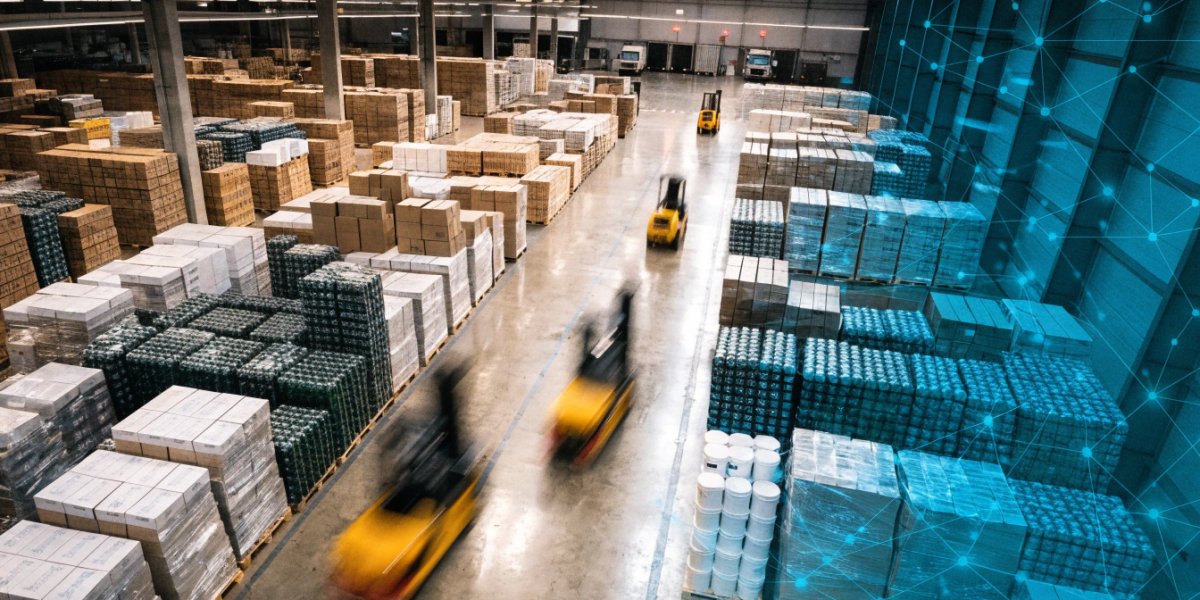
Consumer Packaged Goods companies are operating distribution networks that span thousands of kilometers and millions of SKUs — and most of them are still doing it with manual tracking, point-in-time visibility, and reactive decision-making. The result: inefficient distribution, high logistics costs, limited product traceability, and inventory pain that compounds with every new product line.
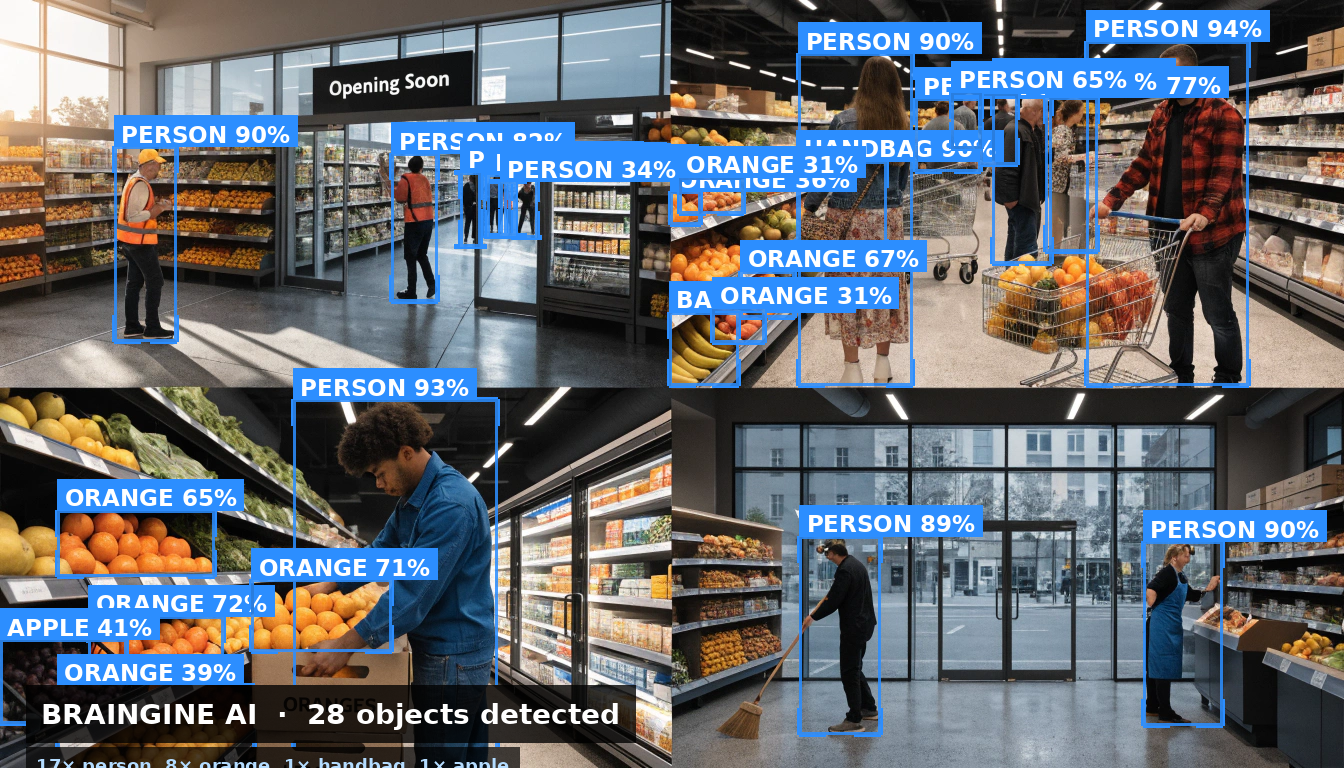
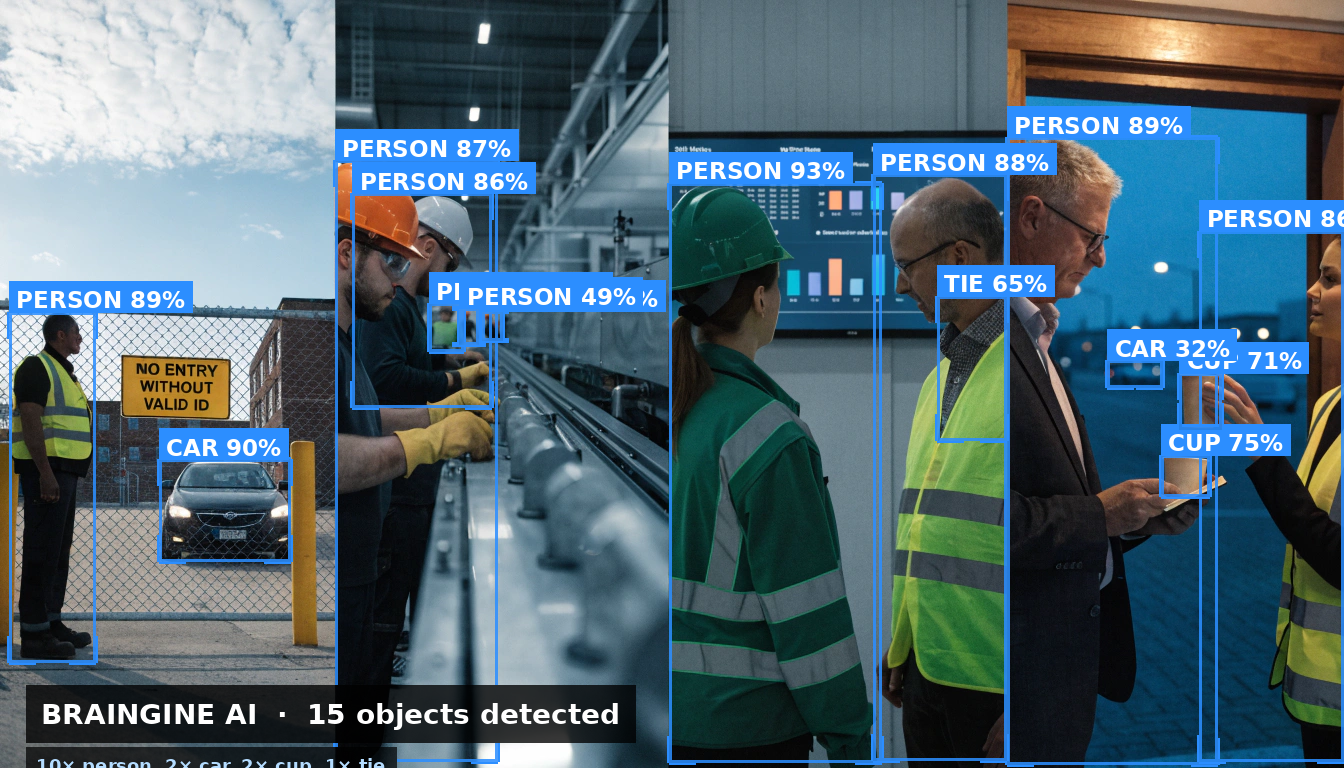
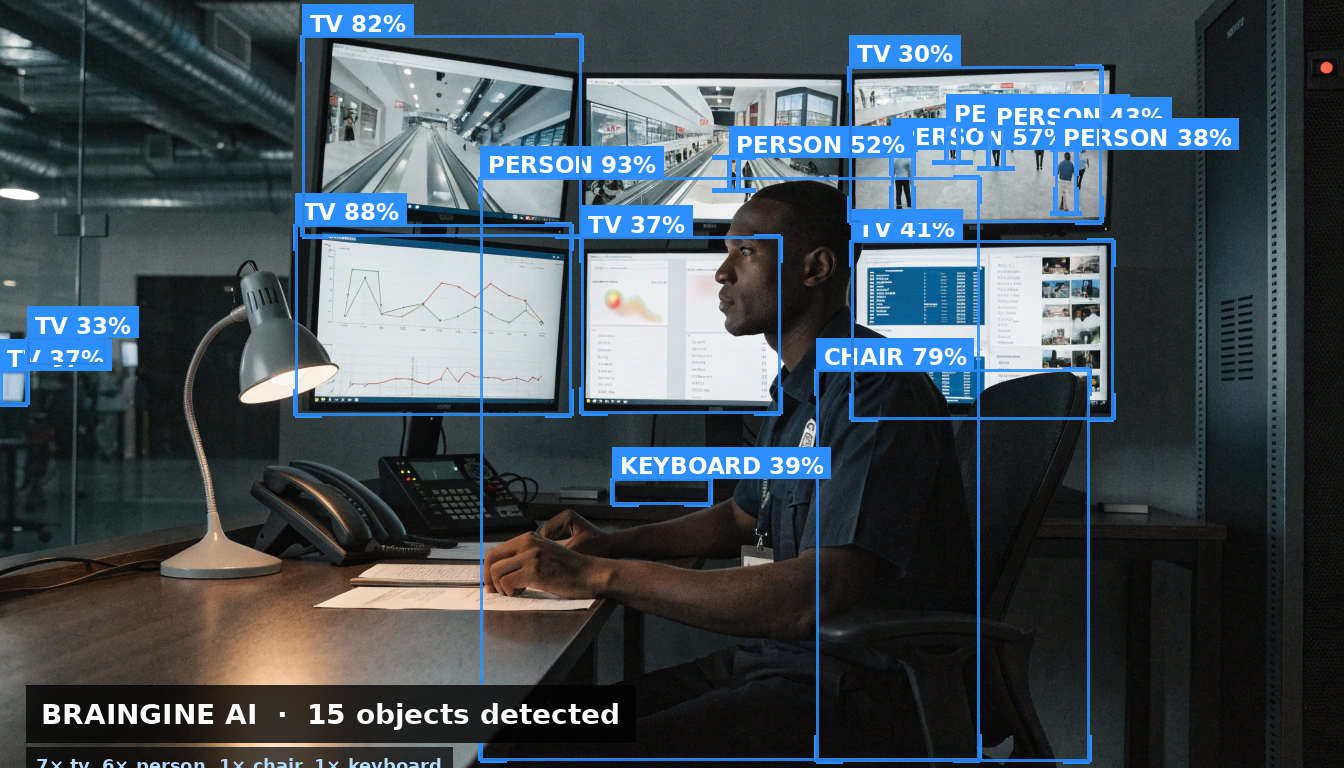
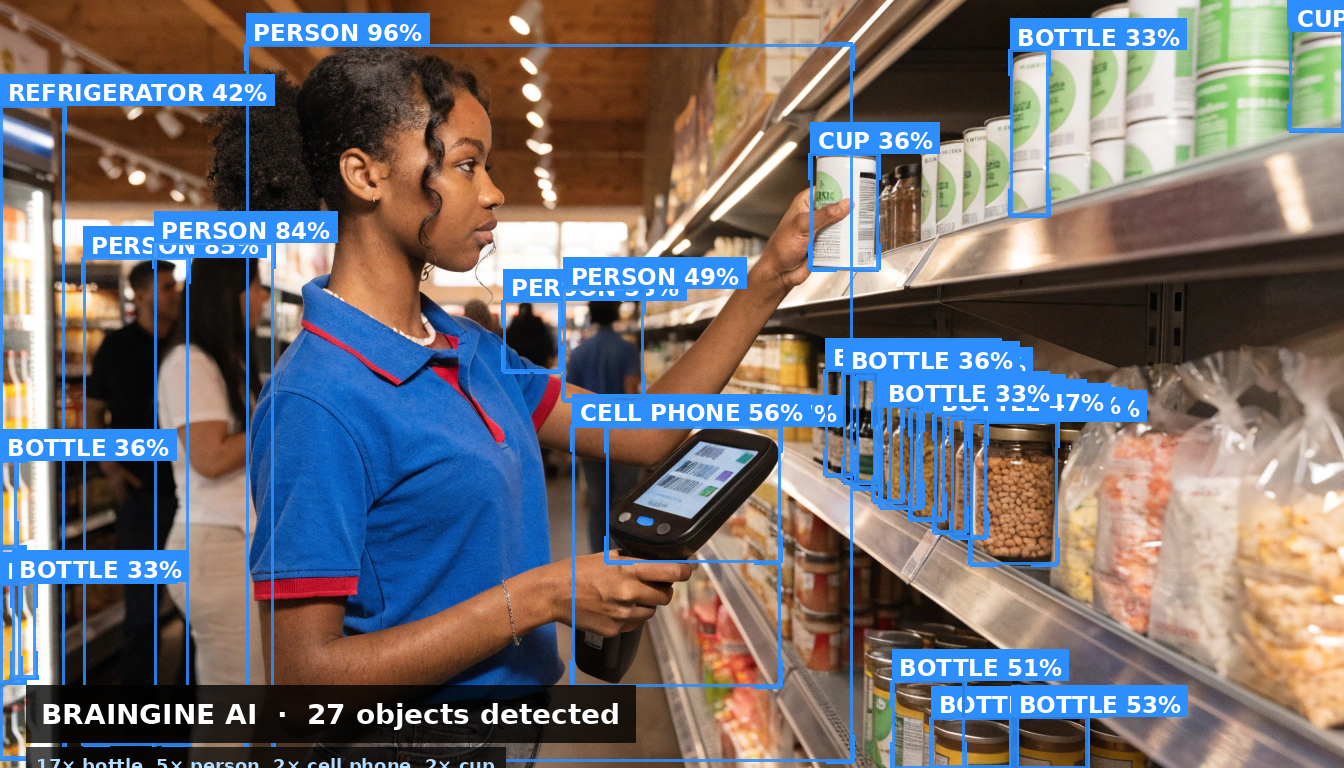
AI-powered operational intelligence changes the equation. Not by adding another dashboard, but by giving operations leaders something they’ve never had at scale: real-time, continuous, ground-truth visibility across every step from production to shelf.
Where AI moves the needle in CPG
Two operational domains where AI delivers measurable, near-term impact:
Supply chain optimization
- Predictive inventory management — model-driven stock levels by SKU, channel, and season
- Distribution route optimization — continuous reassignment based on real demand signals
- Logistics cost reduction — fewer expedited shipments, fewer half-empty trucks
- Real-time tracking — pallet-level visibility from DC to retail floor
Product lifecycle management
- Waste reduction — catch quality and shelf-life issues before they hit the customer
- Quality control — automated inspection in production, packaging, and palletizing
- Shelf-life optimization — match production batches to channel demand
- Traceability enhancement — lot-level history from raw material to retail
What the benchmarks look like
Across Braingine CPG deployments, the average improvements we see are:
- Distribution cost reduction: 30-40%
- Inventory accuracy: +25-35%
- Waste reduction: 35-45%
- Annual cost savings: $1.3M – $2.1M per program
These aren’t pilots — they’re sustained, post-deployment results from production systems running across nationwide distribution networks.
The technology stack
Braingine’s CPG implementations rely on four foundational technology choices:
- Edge computing architecture so inference happens where the data is, not in a far-away cloud
- Logistics analytics tuned for the specific signal patterns of CPG distribution
- Predictive modeling for demand, shelf-life, and route optimization
- Ethical AI implementation aligned with the EU AI Pact and GDPR — important when AI touches workforce or customer data
Use cases that pay back fast
The fastest ROI comes from the use cases closest to the warehouse door and the retail shelf:
- Real-time supply chain visibility
- Predictive demand forecasting
- Route optimization
- Inventory balancing across DCs and stores
- Waste reduction analytics
- Quality and shelf-life prediction
- Traceability monitoring across multi-stage distribution
Implementation in days, not quarters
The single biggest reason AI projects stall in CPG isn’t model accuracy — it’s integration. Six-month implementation projects collide with quarterly priorities and stall out before producing real value. Braingine’s 5-Day Implementation model inverts that: average deployment is 5 days, ROI lands in 3-6 months, and technical complexity is “low — no coding required.” Operations leaders can pilot, measure, and scale within a single quarter.
Where this is going
The CPG operations leaders we work with are looking past today’s challenges to four emerging shifts: sustainable supply chains, hyper-personalized distribution, AI-driven product development, and circular economy optimization. The companies investing in real-time operational intelligence now are the ones that will move into those shifts on the front foot.
Where to start
- Start with critical distribution channels — biggest signal, fastest payoff
- Prioritize data integration over data perfection
- Develop a holistic supply chain strategy before scaling per-DC
- Ensure cross-functional alignment between operations, IT, and finance
- Build a continuous improvement framework from day one
Talk to us about running a Braingine deployment on a single distribution channel — and seeing the benchmarks for yourself.