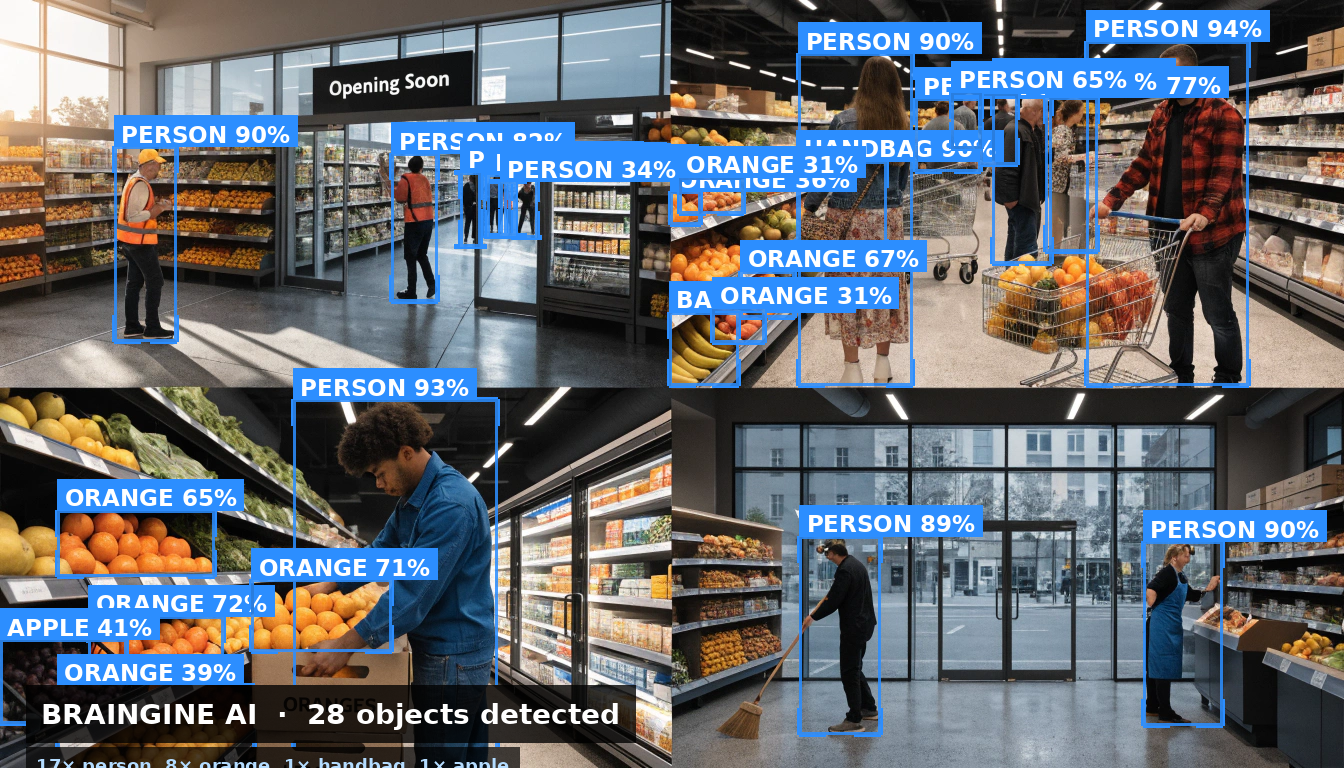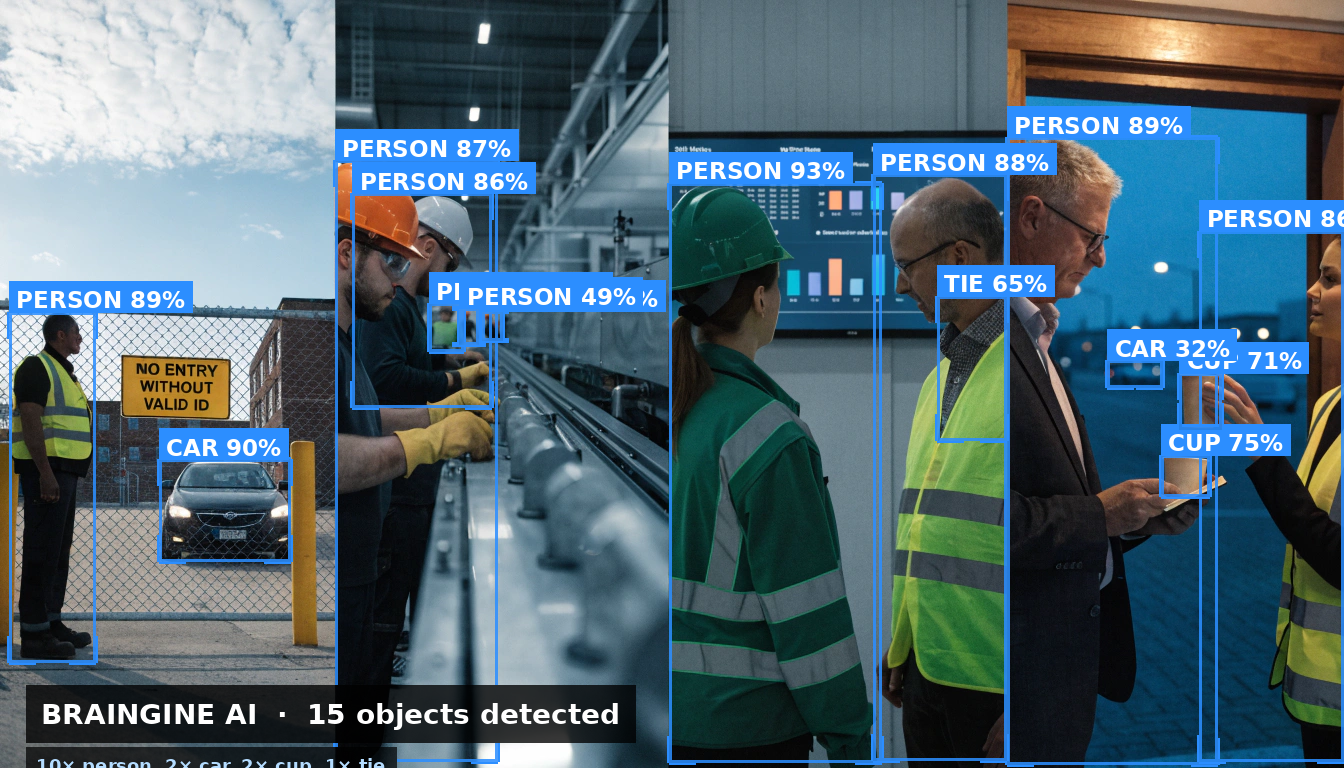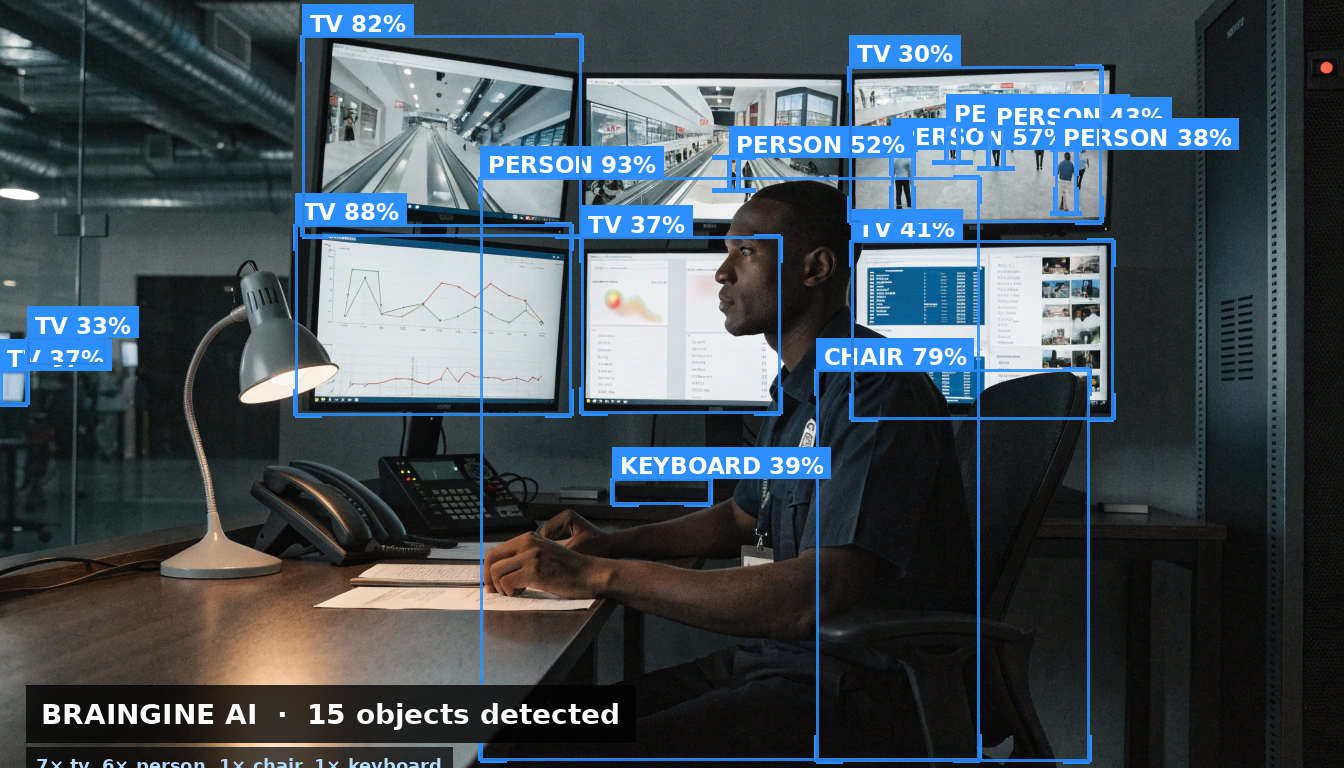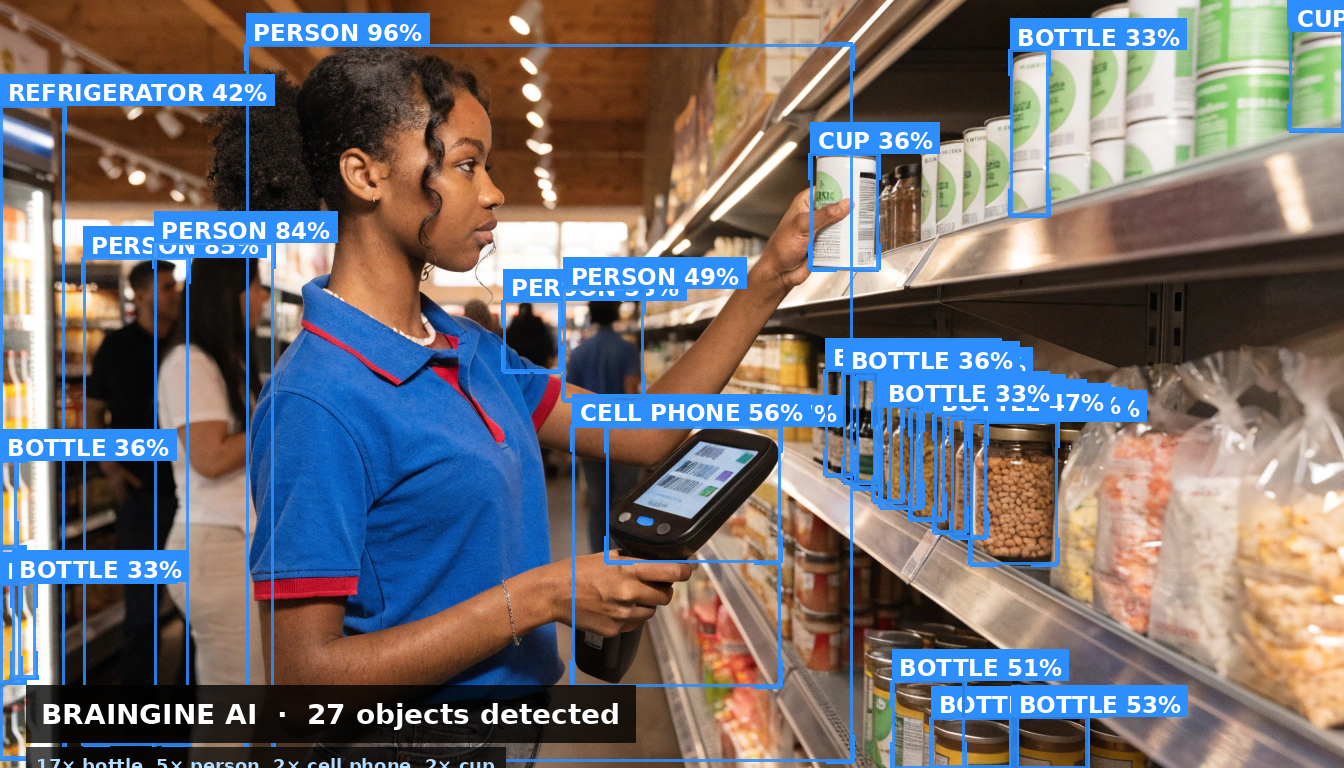
Retail is the most analyzed industry in the world — and the gap between the analytics on the corporate dashboard and what’s actually happening on the store floor has never been wider. Manual tracking, periodic audits, and store-level guesswork are the hidden tax on every chain. AI-powered operational intelligence finally closes that gap.
The hidden cost of operational inefficiency
- Manual tracking of shelf state, inventory, and customer flow
- High costs of traditional inventory management (and the people-hours it consumes)
- Limited real-time visibility — what’s happening on the floor lags head-office by hours or days
Each of these is solvable with the cameras and IT infrastructure most retailers already have. The barrier was never the data — it was turning the data into operational action at every store, every minute.
Where AI moves the needle
Inventory management
- Predictive stock optimization — model-driven safety stock by store and SKU
- Real-time inventory tracking from camera feeds, not just POS
- Shrinkage reduction through continuous monitoring and behavioral pattern recognition
- Automated replenishment triggered by what shelves actually look like
Store operations
- Planogram compliance monitoring — see Planogram for the full breakdown
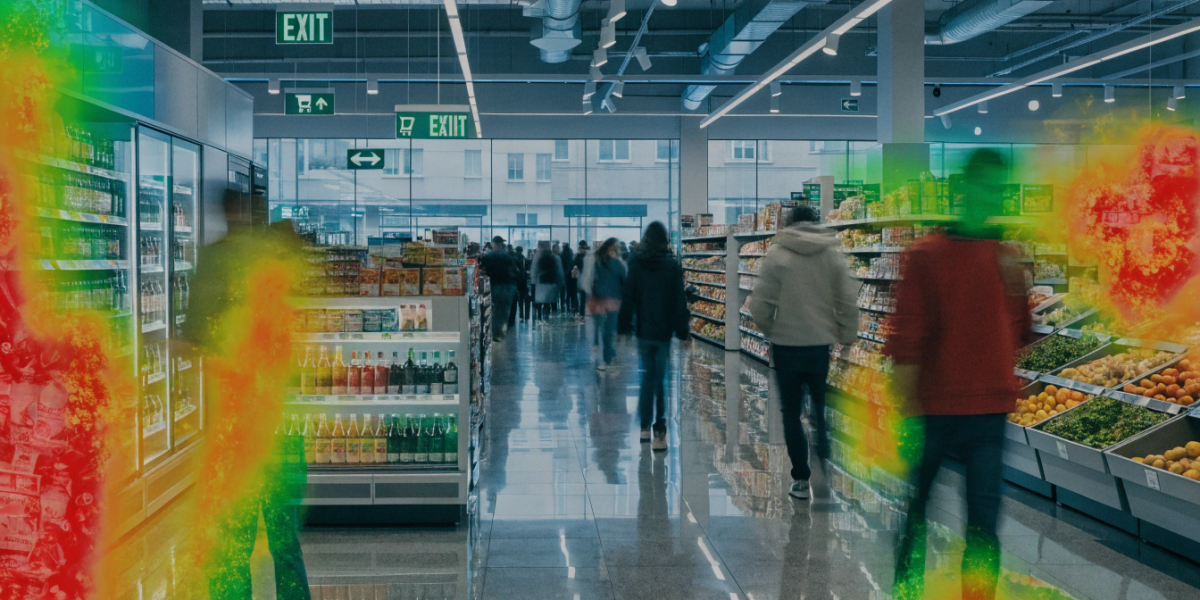
- Customer traffic analysis — flow, dwell, conversion at department level
- Loss prevention — real-time alerts, not week-old reports
- Operational efficiency optimization across staffing, restocking, and checkout
What the benchmarks look like
- Inventory accuracy: +25-35%
- Shrinkage reduction: 22-40%
- Operational efficiency: +18-30%
- Annual cost savings: $1.2M – $2.1M per program
These numbers come from Braingine retail deployments spanning anywhere from 15 to 500 store locations — typical mid-market to enterprise rollouts.
The technology stack
- Edge computing at the store — no waiting for video to upload to a cloud
- Computer vision tuned for shelves, customers, and cashier behavior
- Zero-code configuration — store ops can adjust rules without filing a ticket
- Ethical AI — customer-presence detection without facial recognition or personal identifiers
Use cases that pay back fast
Physical retail analytics
- Shelf compliance tracking
- Customer movement analysis
- Product placement optimization
Loss prevention
- Real-time security monitoring
- Intelligent theft detection
- Behavioral pattern recognition
Deployed in 5 days, scaled to 500 stores
Average deployment: 5 days. Scalability: 15 to 500 store locations. ROI: 3-6 months. Technical complexity: low — no coding required. The combination is what makes chain-wide rollouts feasible without consuming half your annual capex.
See the methodology in 5-Day Implementation and explore the breadth at Retail Physical Analytics.
Where retail is going
- Hyper-personalized retail experiences
- Predictive demand forecasting at SKU/store granularity
- Autonomous store management for low-traffic and overnight operations
- Ethical AI compliance as a procurement requirement, not a checkbox
Where to start
- Start with a focused pilot — one region, a few SKUs, clear baseline
- Focus on high-impact areas: shrinkage, OSA, or planogram, depending on your biggest pain
- Prioritize data quality — clean camera placement, clear lighting
- Ensure stakeholder alignment across store ops, loss prevention, IT, and merchandising
- Build a continuous improvement framework from day one
Talk to us about deploying Braingine across a handful of your stores — and benchmarking against your existing operations.